

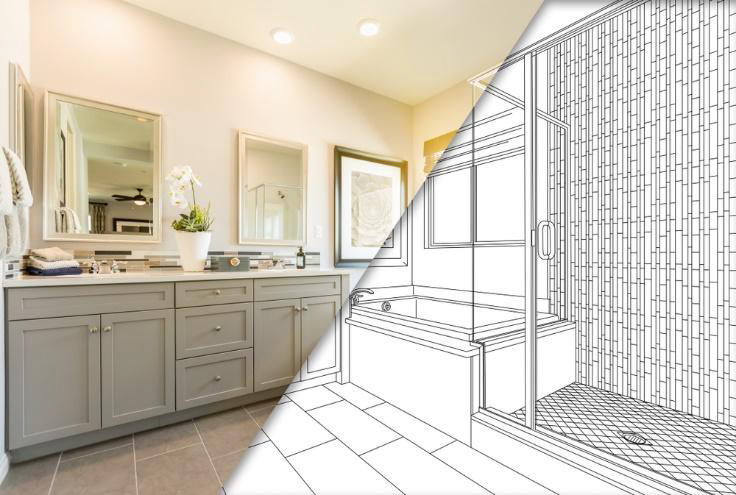
A full remodel can feel like an all-or-nothing decision, but it rarely has to be. Phasing the work lets you spread out the cost, live through less disruption, and still watch your home transform in visible ways. The trick is knowing which projects to lead with, because some upgrades reshape a room the moment they land while others quietly do their work behind the walls. When the budget says one space at a time, thoughtful sequencing is what keeps momentum and excitement alive.
That sequencing is something we think about on nearly every project. We at MAC Flooring & Interiors have spent years helping homeowners across Irvine, Laguna Niguel, Mission Viejo, Laguna Hills, and Laguna Beach map out kitchen and bathroom remodeling and whole-home refreshes in stages that make sense. The goal is always the same. We want a dramatic payoff early, so each phase feels worth the wait.
The questions homeowners ask before phasing a remodel
Before we sketch a phase plan, a handful of questions come up almost every time. Here are the ones worth settling first.
How do you decide what to tackle first?
We look at three things together, the rooms you use most, the surfaces you see the moment you walk in, and the projects that would disrupt everything else if left for later. Visible, high-traffic spaces usually rise to the top.
Does phasing a remodel cost more overall?
Not necessarily. You may pay for a few extra setups over time, but spreading the work often lets you make better material choices without rushing, and it keeps you from financing everything at once.
How long should I wait between phases?
There is no fixed rule. Some homeowners move room to room over a single season, while others pause for months to save and plan. What matters is protecting the finished areas so earlier work still looks fresh when the next phase begins.
Can new flooring really change a room that much?
More than most people expect. Floors cover the largest continuous surface in any room, so a new one resets the color, light, and mood of the whole space in a single step.
Where phased remodeling shows up first
Once the plan is set, the sequencing usually follows a pattern. The most visible, least invasive upgrades come early, and the messy structural work waits until the end. That order gives you the satisfaction of real change while the harder pieces are still on the horizon.
Floors change a room faster than almost anything
Flooring is the quiet hero of an early phase. Because it stretches wall to wall, a fresh surface instantly updates the tone of a space, and a wide plank laminate can make a modest room feel brighter and larger overnight. Replacing dated carpet or tired boards is often the single most dramatic thing you can do before touching anything else.
It also sets the palette for every choice that follows. Once the floor is down, paint colors, cabinet finishes, and furnishings all fall into place around it.
Surfaces and finishes that pull the eye
After the floor, attention turns to the surfaces people actually touch and notice. A new backsplash, fresh paint, or updated tile can transform a room for a fraction of a full renovation. These finishes read as instant refreshes because they sit right at eye level where guests linger.
Lighting and hardware belong in this phase too. Swapping fixtures and pulls is small work with an outsized visual return.
Cabinets and built-ins in the middle phases
Cabinets sit in the middle of most plans for good reason. They carry real visual weight in kitchens and baths, yet they involve more coordination, measuring, and lead time than a floor or a coat of paint. Refacing or replacing them mid-sequence lets the earlier finishes guide the style.
This is also where thoughtful interior design earns its keep, tying cabinet color, counter material, and hardware into one cohesive look rather than a set of separate decisions.
Structural work belongs near the end
The disruptive projects come last for a reason. Moving walls, relocating plumbing, or reworking layouts creates the most mess and the least immediate visual reward per dollar. Saving them for a later phase means the dust settles onto surfaces you have not yet finished, not ones you just paid to install.
By the time you reach this stage, the earlier phases have already delivered the wow factor, so the heavy lifting feels like the finishing touch rather than the whole battle.
Come talk through your first phase with us
Every home has a natural starting point, and finding it is half the fun. Our team can help you map a sequence that delivers visible results early and keeps the project moving at a comfortable pace. Reach out whenever you want to talk through flooring services and design options for your first phase.


